

When your skin suddenly starts stinging, flushing, or breaking out, it is easy to wonder whether you have always had sensitive skin or whether something in your routine pushed your barrier too far. The difference matters. One is a lasting skin type. The other is usually a temporary condition. This guide breaks down how to tell them apart, what clues to look for, and how to calm stressed skin with a gentler, more supportive approach.
Sensitive Skin vs. a Damaged Barrier: How to Tell the Difference
Redness after cleansing. A moisturizer that suddenly burns. Tiny breakouts where you expected glow. These are some of the most frustrating skin moments because the symptoms can all look similar at first.
The challenge is that the solution changes depending on the cause. If your skin is naturally sensitive, it may always need a lower-trigger routine and extra care around fragrance, weather, or certain ingredients. If your barrier is damaged, the goal is to stop the overload, calm the inflammation, and give the skin time to rebuild. Treat the wrong problem, and the cycle can drag on longer than it needs to.
That is exactly where Skyn ICELAND’s point of view on stressed skin becomes useful. Instead of piling on more actives, the focus shifts to cooling, calming, and supporting the complexion while it finds its way back to balance.
The Stressed Skin Dilemma: Sensitive or Sensitized?
Here is the simplest starting point: sensitive skin is usually a skin type, while sensitized skin is a condition. Sensitive skin tends to be something you have had for a long time. Sensitized skin is more often a temporary state created by overdoing products, facing harsh weather, or putting a healthy barrier under too much pressure.
This is why the confusion is so common. The symptoms overlap. Both can cause redness, itching, tightness, burning, or a feeling that your skin is reacting to everything at once. The difference usually appears when you look at the timeline, your triggers, and how your skin responds to products that used to feel completely fine.
Modern routines can make this harder to read. When someone layers exfoliating acids, retinoids, strong vitamin C, harsh cleansers, and drying spot treatments all in the same week, even resilient skin can begin to behave like sensitive skin. At the center of all of this is the skin barrier, also called the stratum corneum, which is the outer protective layer that keeps moisture in and irritants out.
Understanding Naturally Sensitive Skin
Naturally sensitive skin is usually linked to biology. It often runs alongside conditions like eczema, rosacea, psoriasis, or a general tendency toward reactivity. In simple terms, the skin is more easily triggered and may have a naturally lower tolerance for certain ingredients, climates, or environmental stressors.
For many people, this pattern starts early. They may remember always reacting to fragranced products, harsh detergents, specific fabrics, sun, wind, or temperature swings. This kind of sensitivity tends to feel lifelong rather than sudden.
Naturally sensitive skin also has recognizable triggers. Common ones include:
- Fragrance and essential oils
- Dyes and strong preservatives
- Cold wind or intense heat
- Stress and lack of sleep
- Friction from towels, scrubs, or rough fabrics
If you have naturally sensitive skin, the goal is usually long-term management, not a quick reset. The routine needs to stay consistently gentle, calming, and low on obvious triggers. Cooling formulas and comfort-first textures can be especially helpful because they support the skin without pushing it harder.
What is a Damaged Skin Barrier (Sensitized Skin)?
A damaged barrier means the outer layer of the skin is not doing its job as well as it should. Normally, that barrier acts like a protective wall. It holds moisture in and blocks irritants from getting through too easily. When that wall becomes compromised, water escapes faster and skin starts reacting more intensely.
This condition is often called sensitized skin. Unlike naturally sensitive skin, it can happen to anyone. Oily skin can become sensitized. Combination skin can become sensitized. Even skin that usually tolerates almost anything can suddenly begin to sting, flush, peel, or feel hot when the barrier has been pushed too far.
The most common causes are external. These include:
- Over-exfoliation with AHAs, BHAs, or scrubs
- Using retinoids too often or too aggressively
- Harsh cleansers that strip the skin
- Environmental stress like wind, sun, dry air, or pollution
- Stacking too many active ingredients at once
One of the clearest clues is the tight but oily feeling. The skin seems shiny, congested, or breakout-prone, yet it also feels dry, thin, hot, or crepey. That combination often points less to a true skin type and more to a barrier that needs rest and repair.
How to Tell the Difference: The Ultimate Checklist
How can you tell if you actually have naturally sensitive skin or if you have just temporarily damaged your skin barrier? The easiest way is to look at the timeline, the triggers, and what your skin is suddenly doing differently.
| Diagnostic clue | Naturally sensitive skin | Damaged barrier or sensitized skin |
|---|---|---|
| Timeline | Lifelong or very long-term pattern | Sudden onset after a routine change, weather shift, or overuse of actives |
| Product reaction | Often reacts to known triggers consistently | Your usual bland moisturizer or cleanser suddenly stings |
| Texture | May be reactive, dry, or flush-prone | Often feels tight, shiny, hot, rough, or crepey all at once |
| Trigger pattern | Fragrance, fabrics, climate, and stress trigger it again and again | Commonly starts after acids, retinoids, harsh cleansers, or too many actives |
| Location | Can be broad and familiar over time | Often appears where a strong product was applied or in recently over-treated areas |
| Recovery | Needs ongoing management | Usually improves within 2 to 4 weeks with a barrier-first routine |
1. Check the timeline
If you have always been reactive, especially since childhood or adolescence, that points more toward naturally sensitive skin. If your face only started burning or flushing after introducing a new exfoliant, retinoid, or stronger cleanser, that points more toward barrier damage.
2. Check whether your “safe” products suddenly sting
This is one of the strongest clues. If your reliable, boring moisturizer suddenly feels sharp, warm, or uncomfortable, that often means the barrier is compromised. When skin is sensitized, even simple products can penetrate more easily and feel irritating.
3. Check the texture
Barrier damage tends to show up with a specific look and feel: tightness, shine, flaking, rough texture, tiny breakouts, and a strange paper-thin feeling. Sensitive skin can absolutely flush or react, but it does not always come with that shiny, dehydrated, over-treated surface.
4. Check the location and trigger
If irritation is strongest exactly where you used a peel, serum, or retinoid, that is a major clue that your barrier has been temporarily damaged. If your skin reacts broadly and repeatedly to known triggers like fragrance, cold air, or certain ingredients no matter what else is happening, that points more toward true sensitivity.
Quick rule of thumb
If the irritation feels sudden, started after a routine shift, and makes your usual products burn, think damaged barrier. If the reactivity feels lifelong, predictable, and linked to recurring triggers, think naturally sensitive skin.
Actionable Steps to Calm and Repair Your Skin
Once you know what you are dealing with, the next step becomes much clearer. If you suspect a damaged barrier, the smartest move is to simplify fast. Stop exfoliants, retinoids, strong vitamin C, and any product that feels active, hot, or drying. Give your skin fewer decisions and more support.
A barrier-first routine should look simple: a mild cleanser, a soothing moisturizer or lightweight calming lotion, and daily SPF. That is the reset phase. During this time, the goal is not glow at all costs. The goal is to help the skin feel calm enough to function normally again.
This is where Skyn ICELAND’s stress-skin approach fits naturally. The Antidote Cooling Daily Lotion is especially helpful when skin feels overheated, visibly flushed, oily, or reactive. Its ultra-light texture does not feel heavy on stressed skin, while its cooling effect and omega 3-6-9 complex support a calmer, more balanced surface.
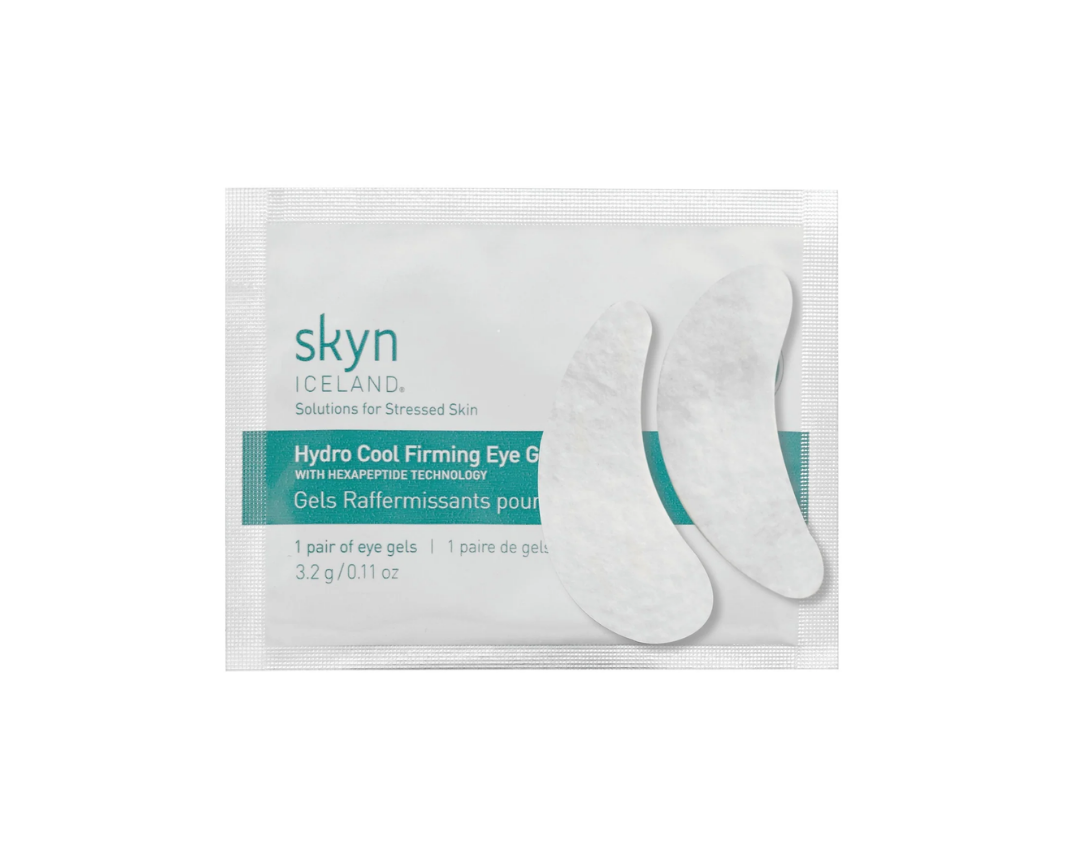
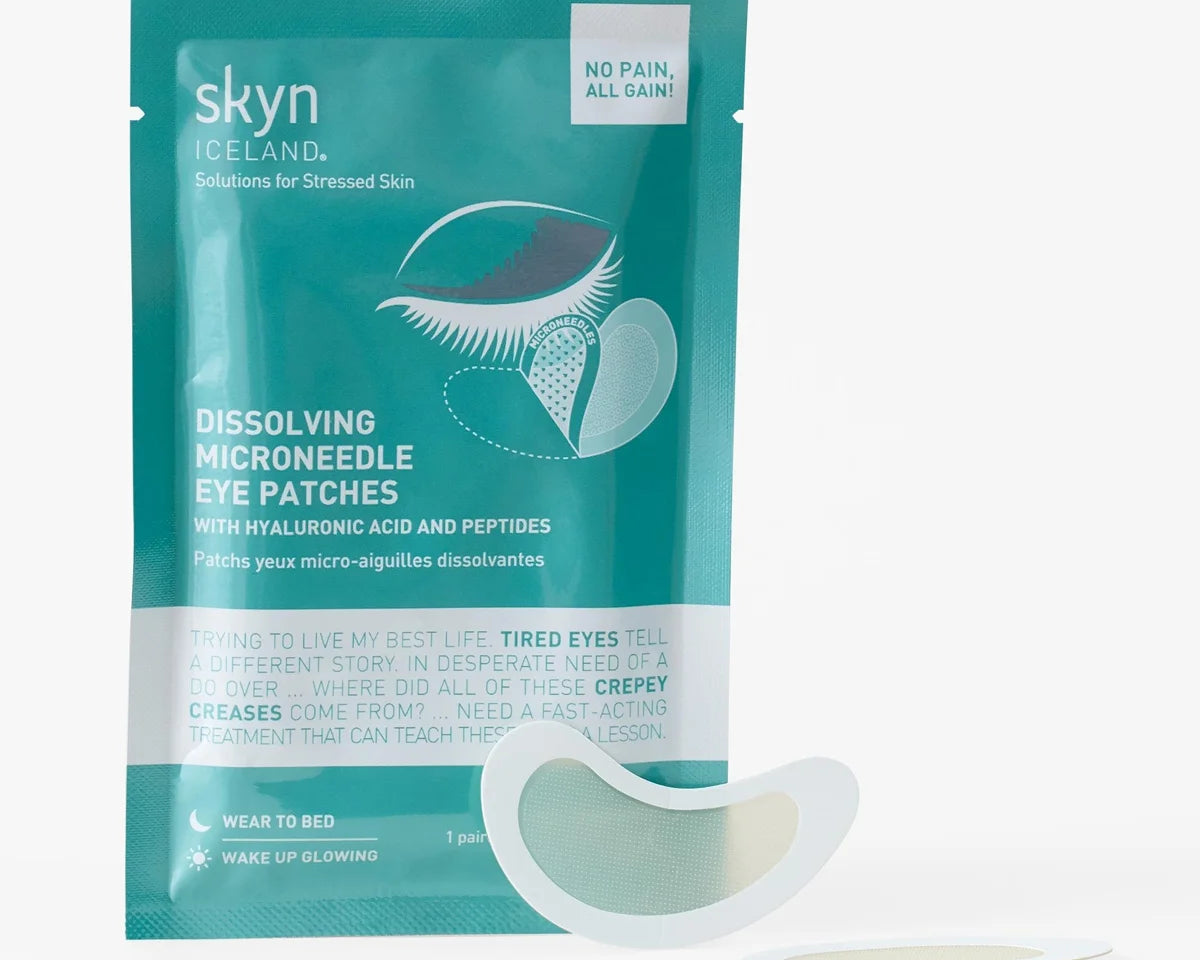
For eye-area discomfort, puffiness, or general irritation, soft cooling treatments can also help without piling on more actives. Hydro Cool Firming Eye Gels and Dissolving Microneedle Eye Patches are gentle ways to hydrate and cool tired-looking skin when everything feels inflamed or overworked.
If your skin is naturally sensitive rather than temporarily sensitized, the plan is more about long-term consistency. That means learning your triggers, choosing lower-irritation formulas, and keeping the barrier supported year-round. The routine may not need to be dramatic. It just needs to be dependable.
In general, damaged barrier recovery often takes 2 to 4 weeks when you stop the triggers and keep the routine gentle. Naturally sensitive skin is different. It is not something you “fix” once. It is something you understand better over time and support with calmer habits, lower-friction formulas, and less reactive routines.
If you suspect barrier damage
Pause strong actives, simplify the routine, and focus on comfort, hydration, and SPF.
If you suspect naturally sensitive skin
Track recurring triggers and keep the routine consistently gentle and low on obvious irritants.
If your skin feels hot and reactive
Reach for cooling, calming support before adding more treatment steps.
A simple calming routine for stressed skin
Morning
- Cleanse gently with a non-stripping formula such as the Glacial Face Wash
- Apply The Antidote Cooling Daily Lotion with gentle pressing motions
- Finish with broad-spectrum SPF
When skin feels especially irritated
- Use Hydro Cool Firming Eye Gels as a quick cooling reset
- Explore the Calming and Moisturizing collections for barrier-friendly support
- Keep the routine simple until stinging and flushing settle
FAQ: sensitive skin and damaged barrier
How can I tell if I actually have naturally sensitive skin or if I've just temporarily damaged my skin barrier?
If the irritation is sudden, started after a new product or too many actives, and makes your regular moisturizer sting, you are more likely dealing with a damaged skin barrier. If the reactivity feels lifelong and tied to recurring triggers like fragrance, weather, or certain fabrics, you are more likely dealing with naturally sensitive skin.
Does damaged skin barrier always mean dry skin?
No. Barrier damage can happen on oily, combination, dry, or acne-prone skin. In fact, one of the biggest clues is feeling oily and tight at the same time.
Why does my skin burn when I put on moisturizer?
When the barrier is compromised, even basic products can feel sharp or uncomfortable because the skin is more permeable and reactive. Sudden stinging from products that used to feel fine is a strong sign that the moisture barrier needs repair.
How long does it take to fix a damaged skin barrier?
For many people, visible improvement starts within days, but fuller barrier recovery often takes around 2 to 4 weeks with a gentle, consistent routine. Continuing to use harsh actives can delay that process.
What kind of skincare is best when skin feels stressed?
Look for calming, hydrating, low-friction formulas that support the barrier without adding more stimulation. Cooling treatments and lightweight moisturizers can be especially helpful when redness, heat, or stinging are part of the picture.

